Our Story

From a Village Dream to a Global Movement

This is the story of how a simple bowtie became a symbol of women’s empowerment, cultural preservation, and dignified work.

Meet Founder TigerBow

The Founder

Meet Wahid Hossain

TigerBow began when Wahid Hossain met Sabina Chowdhury, a skilled Bangladeshi artisan struggling to sell her handmade crafts in the fast-fashion era. To support her, he created the TigerBow bow tie, crafted from traditional Katan fabric, linking heritage craftsmanship with global markets.

The venture won the Social Venture Challenge at Harvard National Model UN and gained mentorship and distribution support from The Resolution Project and the Watson Institute.
Early grants from the EMK Center and the U.S. State Department helped expand into scarves and jewelry, creating work for dozens of women artisans. Collaborations with Harvard groups and international partners opened North American markets, transforming traditional skills into sustainable livelihoods.

The Journey

From Dream to Reality

The Spark

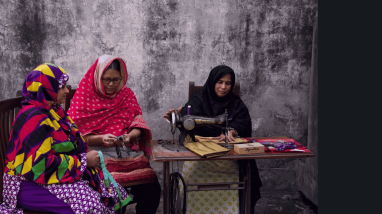
In 2013, Wahid Hossain met Sabina Chowdhury when she came to his home to sell a few hand-stitched bed covers to his mother. The intricate appliqué patterns immediately caught his attention. During a short conversation, Wahid learned Sabina made each piece herself, yet earned barely USD 100 a month, hardly enough to survive. He offered to help her find a higher-paying job in a garment factory, but Sabina gently refused. If she left, she said, younger generations would forget this traditional craftsmanship.
Her pride, vision, and courage deeply moved Wahid. Instead of changing her profession, he decided to change her market. Together they created the first TigerBow bow tie using traditional Katan fabric—transforming heritage skills into modern design and opening a pathway for Bangladeshi women artisans to reach global customers.
The Spark TigerBow
Global Breakthrough TigerBow

Global Breakthrough

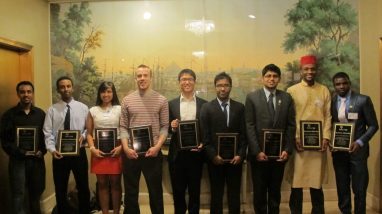
Wahid later presented TigerBow at the Social Venture Challenge hosted by The Resolution Project during Harvard National Model United Nations. He shared a simple but powerful idea: improving the livelihoods of women artisans while preserving Bangladesh’s traditional fabrics and craftsmanship. The proposal was selected as a winner, earning seed funding, lifelong mentorship, and pro-bono professional support.

This early backing became a turning point. With guidance from experienced mentors, Wahid refined the business model, developed prototypes, and built quality standards and distribution plans. What began as support for one artisan soon evolved into a structured social enterprise. The recognition and network opened international doors, allowing TigerBow to grow beyond a local initiative and take its mission empowering artisans through heritage craftsmanship to a global stage.

Boulder Beginning

In 2015, with the support of The Resolution Project, Wahid Hossain joined the Watson Institute to further study social innovation and entrepreneurship. There, he immersed himself in social impact design, customer-focused product development, and storytelling for mission-driven brands. Supported by the Boulder community, he refined TigerBow’s concept and created the world’s first bow ties made from traditional Katan fabric.


At his graduation pitch, Wahid introduced TigerBow to an audience of over 100 people. The response was immediate—he sold several bow ties and received advance orders. For the first time, the idea proved commercially viable. What began as a mission to support one artisan had taken its first real step into a sustainable business, marking the beginning of TigerBow’s commercial journey.
Boulder Beginning TigerBow
TEDxCU Moments TigerBow

TEDxCU Moments

In 2016, Wahid Hossain returned to Colorado—this time to deliver a TEDx talk. On stage, he shared Sabina Chowdhury’s story and the journey of TigerBow, showing how globalization, when guided by purpose, can protect rather than replace local art and culture. He spoke about connecting rural Bangladeshi artisans with international customers and turning heritage craftsmanship into dignified livelihoods.

The talk resonated deeply with audiences across the United States. It helped TigerBow reach new communities, supporters, and partners who believed in ethical fashion and cultural preservation. As Sabina’s story traveled beyond borders, new collaborations and market opportunities emerged, creating greater visibility and income opportunities for Bangladeshi women artisans and their handmade crafts.

Harvard Partnership

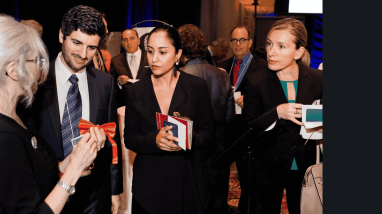
In 2018, TigerBow reached a major milestone with its first large-quantity orders. The year began with a collaboration with Harvard, followed by a partnership with the East Coast Group. These opportunities transformed TigerBow from a small pilot initiative into a growing social enterprise. For the first time, consistent demand meant regular production rather than occasional handmade sales.

The increased orders created stable work for more than 13 women artisans, allowing them to earn dependable income while continuing their traditional craftsmanship. Beyond sales, these collaborations validated TigerBow’s model heritage products could succeed in global markets when paired with strong storytelling and ethical sourcing. The experience established production processes, quality standards, and distribution pathways, laying the foundation for future expansion and proving that artisan-led businesses from Bangladesh could compete internationally without losing cultural identity.
Harvard Partnership TigerBow
Scaling Impact TigerBow

Scaling Impact

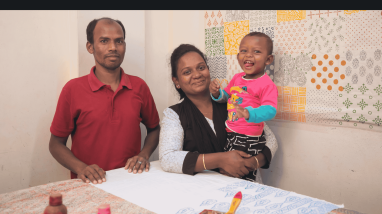
In 2020, TigerBow entered a new phase of growth by expanding beyond bow ties into pocket squares, scarves, and earrings. With small grants from the EMK Center Dhaka and the U.S. State Department, the team invested in product development, training, and design innovation while preserving traditional techniques and motifs. The new collections allowed artisans to express broader cultural stories through wearable pieces suited for wider markets.

More than 40 artisans joined the initiative, creating consistent work opportunities and diversifying income sources. The expansion also brought in artisans from different backgrounds and skill sets, strengthening the community around TigerBow. By combining heritage craftsmanship with contemporary design, TigerBow not only increased market reach but also deepened its social mission supporting livelihoods while safeguarding Bangladesh’s cultural identity.

What We Believe

Our Core Values

Dignity First

Every artisan is treated with respect, paid fairly, and empowered to make decisions about their work and lives.

Heritage as Wealth

We believe traditional skills are not relics, they're assets that should provide prosperity for their keepers.

Quality Without Compromise

Every TigerBow meets the highest standards of luxury craftsmanship, because our artisans deserve to create excellence.